


If you’ve ever stumbled upon the phrase “AI Anon”, you might have wondered what it means. Is it a new artificial intelligence tool? A secret online group? A movement?
The truth is, the term “AI Anon” doesn’t have a single, fixed meaning, but it’s becoming an increasingly popular phrase on social media and in tech discussions.
This article explained what “AI Anon” could refer to, why it’s trending, and how it fits into the growing relationship between artificial intelligence and online anonymity.
What Does AI Anon Mean?
The term AI Anon is made up of two simple parts. The first is “AI,” which stands for artificial intelligence; computer systems that can think, learn, and even create things like text, art, or music. The second part is “Anon,” short for anonymous or anonymity, which means keeping your identity private or hidden.
When you put those ideas together, “AI Anon” refers to the anonymous use of artificial intelligence or people who talk about AI without revealing who they are. Because the term is still new, it doesn’t have one fixed meaning yet. Different people use it in different ways; sometimes to describe online communities, private AI tools, or simply the idea of exploring technology without showing your real identity.
Common Interpretations of “AI Anon”
A. Anonymous AI Communities
One popular interpretation is that “AI Anon” refers to online groups or forums where people discuss AI topics under fake names or complete anonymity. In these communities, users might:
- Share AI-generated art, writing, or code without revealing their identity
- Talk about AI ethics, privacy, and policy without fear of judgment
- Debate sensitive topics like AI surveillance or automation job loss
Anonymity encourages open conversation; people can express honest opinions without worrying about how others might react. It’s similar to how people once used pseudonyms on early Internet forums. However, anonymity can also create risks, which we’ll explore later.
B. AI Tools That Protect Anonymity
Some people use “AI Anon” to describe AI-powered tools or platforms that allow users to interact anonymously. These technologies appeal to users who want the benefits of AI but value digital privacy. In an age when every click is tracked, “AI Anon” tools can help protect personal freedom. Examples could include:
- Anonymous chatbots – AI systems that let you talk freely without logging your identity.
- Privacy-focused AI assistants – tools that use encryption or don’t store user data.
- AI-based identity masks – technology that alters your writing style, voice, or image so your real identity remains hidden online.
C. A Cultural or Meme Term
Another angle is that “AI Anon” has become a kind of Internet meme or nickname used humorously. In this sense, “AI Anon” symbolizes the mystery surrounding modern AI; people know it’s powerful, but they’re unsure who controls it or what it might do. People sometimes imagine “AI Anon” as:
- A fictional secret society of intelligent machines sharing forbidden knowledge.
- A playful parody of online anonymous movements.
- A tag for mysterious or philosophical posts supposedly written by an AI.
D. A Mistyped Phrase
Sometimes, “AI Anon” may simply be a typing error for other established groups, such as “Al-Anon”, the well-known support organization for families affected by alcoholism. Because the two terms look similar, search engines may mix them up. However, they are completely unrelated:
- Al-Anon deals with human addiction recovery.
- AI Anon relates to artificial intelligence and anonymity online.
Why Anonymous AI Matters
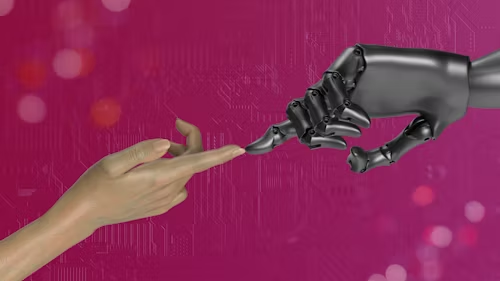
Even if “AI Anon” doesn’t refer to one specific product or organization, the concept behind it is incredibly relevant today. Anonymity and AI intersect in ways that raise important social, ethical, and technical questions.
Benefits of Anonymous AI Spaces
Anonymous AI spaces play a huge role in shaping open and honest conversations about artificial intelligence. When people can share thoughts without revealing their identity, it creates a safe zone for creativity and free speech.
Someone who might hesitate to question powerful AI companies in public can speak freely under a pseudonym, helping society spot problems or biases that might otherwise go unnoticed. Artists also thrive in these environments, using AI to test bold ideas without the fear of criticism or rejection.
For developers and insiders, anonymity can even make whistleblowing possible, revealing unethical practices while staying protected. On a personal level, being anonymous gives people the psychological safety to explore their fears, hopes, and ideas about AI without judgment.
In short, anonymous AI communities empower honest expression and innovation, helping AI evolve in healthier, more inclusive ways.
Risks and Ethical Challenges
While anonymous AI spaces can promote creativity and freedom, they also come with serious risks that shouldn’t be ignored. When users hide behind anonymity, misinformation can spread easily, especially if AI-generated content is used to deceive or manipulate others.
Trolls may exploit the lack of accountability to harass people or disrupt meaningful discussions, creating a toxic online atmosphere. There’s also the issue of accountability gaps; if an anonymous AI system causes harm or spreads false data, it’s often unclear who is responsible.
And while some platforms claim to protect user privacy, a few may still track or misuse personal data in secret, which erodes trust. The same features that safeguard freedom of speech can also shield unethical behavior.
That’s why it’s essentials to combine AI anonymity with responsible moderation, transparency, and ethical standards; ensuring these spaces remain safe, honest, and beneficial for everyone.
Why People Feel Comfortable in Anonymous AI Spaces
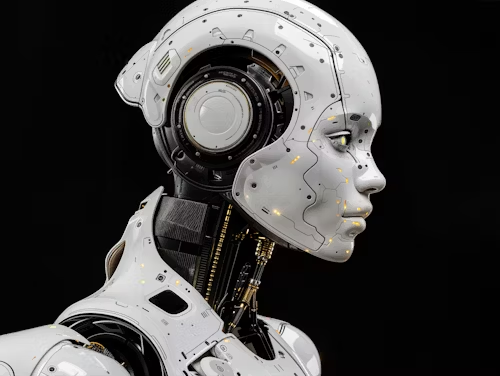
One big reason people enjoy anonymous AI spaces is that they feel more relaxed and open. When no one knows who you are, you feel less judged; you can ask questions, share ideas, or admit confusion without worrying about what others think.
Everyone is on the same level, so the space feels more equal, with no pressure from titles, job positions, or social status. This sense of freedom often makes people more creative, because they’re not afraid to take risks or try something new.
In simple terms, anonymity gives people the confidence to explore and experiment with AI in ways they might not dare to do under their real name.
The Broader Social Meaning
The idea of AI Anon isn’t just about technology, it’s really about how our world is changing. We now live in a time where artificial intelligence can create things just like humans can; writing stories, making art, even starting conversations online.
Because of this, it’s getting harder to tell who’s behind a message: a real person or an AI. On top of that, people can now hide or change their online identity using digital tools, which makes the internet feel both exciting and confusing.
Information also moves so fast that sometimes it spreads before anyone checks if it’s true. In this kind of world, being anonymous can be a good thing because it protects your privacy, but it can also make it harder to hold people accountable when something goes wrong.
That’s why AI Anon really represents a bigger idea, the growing need for digital independence, where everyone has the right to control their own data, voice, and online identity.
The Future of AI Anon
Looking into the future, it’s clear that AI and anonymity will stay closely connected. As technology grows, more people will want ways to use AI without giving up their privacy. We might see community-run AI networks that don’t belong to big corporations, giving regular users more control and freedom.
There will likely be privacy-focused AI assistants designed to protect your personal information automatically, without you needing to change any settings. We may also see AI identity shields; smart tools that disguise your writing style, voice, or image so no one can easily tell who you are online.
At the same time, governments and companies will probably create ethical rules to make sure anonymous AI use remains safe, honest, and responsible. In the end, “AI Anon” could become a symbol of the ongoing balance between personal freedom and accountability in our digital world while reminding us that privacy and ethics must grow hand in hand as technology evolves.
